
Choosing Hardware: Stainless Steel vs Zinc vs Brass
Choosing the right material for stainless steel vs zinc alloy vs brass hardware involves balancing corrosion resistance, structural strength, and project budget. Stainless steel is the premium choice for outdoor durability; brass offers superior aesthetics and antimicrobial properties; while zinc alloy provides a cost-effective solution for intricate, high-volume interior components.
What are the main differences between stainless steel, zinc alloy, and brass?
For contractors and procurement professionals, understanding the fundamental makeup of these three materials is the first step in ensuring project longevity. While all three are common in the hardware industry, their physical properties vary significantly due to their chemical compositions.
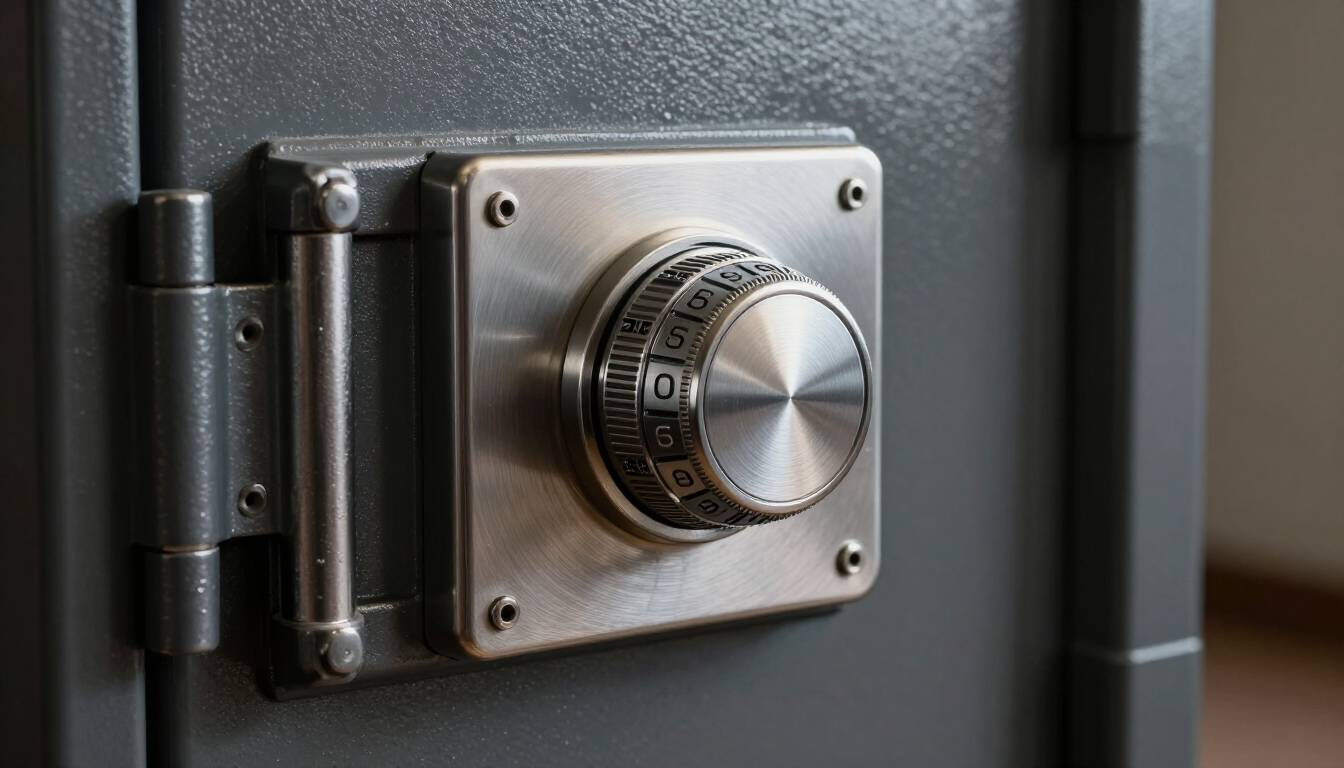
Stainless Steel is an iron-based alloy containing at least 10.5% chromium. This chromium creates a passive layer of chromium oxide on the surface, which prevents further corrosion. It is known for its incredible tensile strength and resistance to extreme temperatures. In the world of high-quality locks and hardware , stainless steel is often the gold standard for security and longevity.
Zinc Alloy , often referred to as Zamak, is a combination of zinc, aluminum, magnesium, and copper. Its primary advantage is its low melting point, which makes it ideal for the die-casting process. This allows manufacturers to create highly intricate designs with tight tolerances that would be impossible or prohibitively expensive to machine out of steel or brass.
Brass is an alloy of copper and zinc. It is prized for its high malleability, acoustic properties, and distinctive golden hue. Beyond its beauty, brass is naturally antimicrobial, meaning it can kill bacteria on its surface within hours—a critical feature for high-traffic door handles and hospital hardware.
Comparing Durability and Corrosion Resistance
When evaluating hardware materials, durability is often the top priority for engineers and contractors. However, "durability" can mean different things depending on the environment.
- Corrosion Resistance: Stainless steel (specifically Grade 316) is the undisputed leader here, especially in coastal or industrial environments. Brass also performs exceptionally well against corrosion but may develop a patina over time. Zinc alloy is the most vulnerable and requires high-quality plating (like chrome or nickel) to survive moist environments.
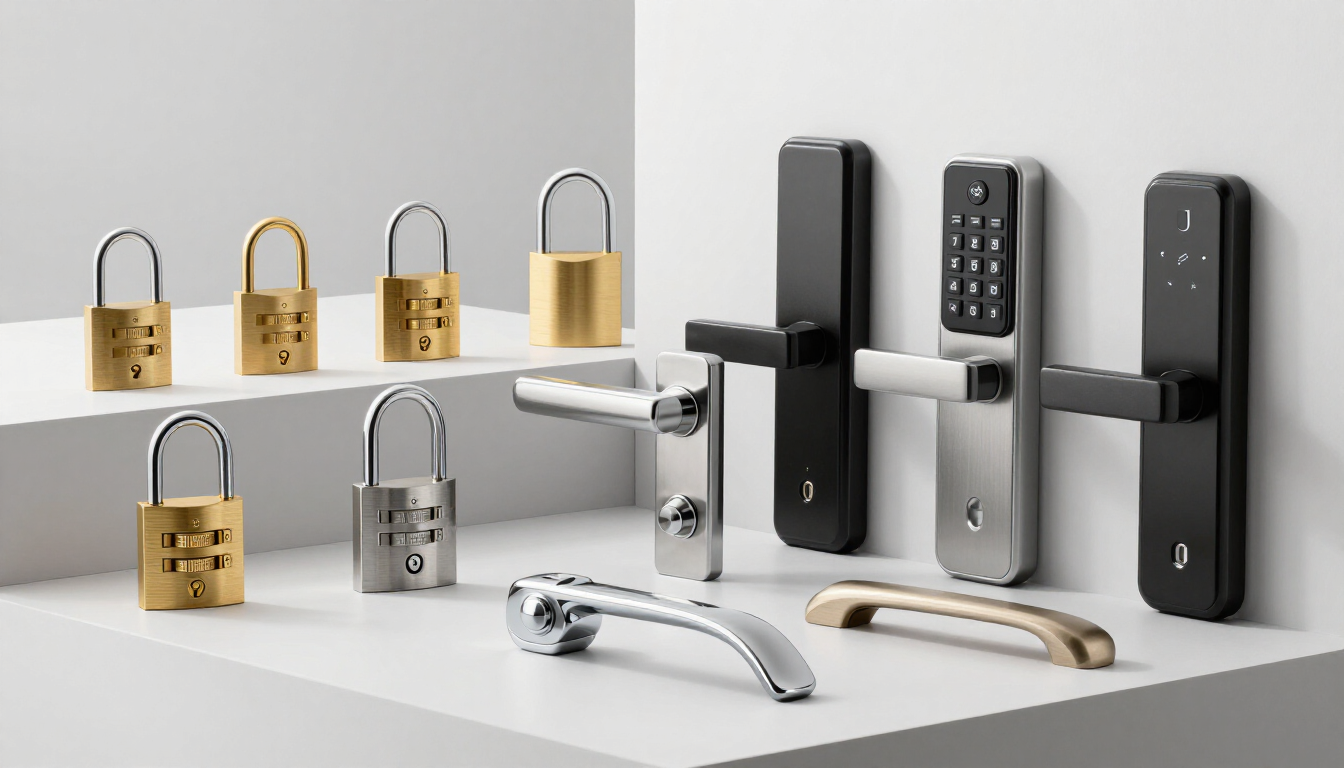
- Tensile Strength: Stainless steel wins again. It is much harder to break or bend, making it the preferred choice for structural hardware and high-security padlocks .
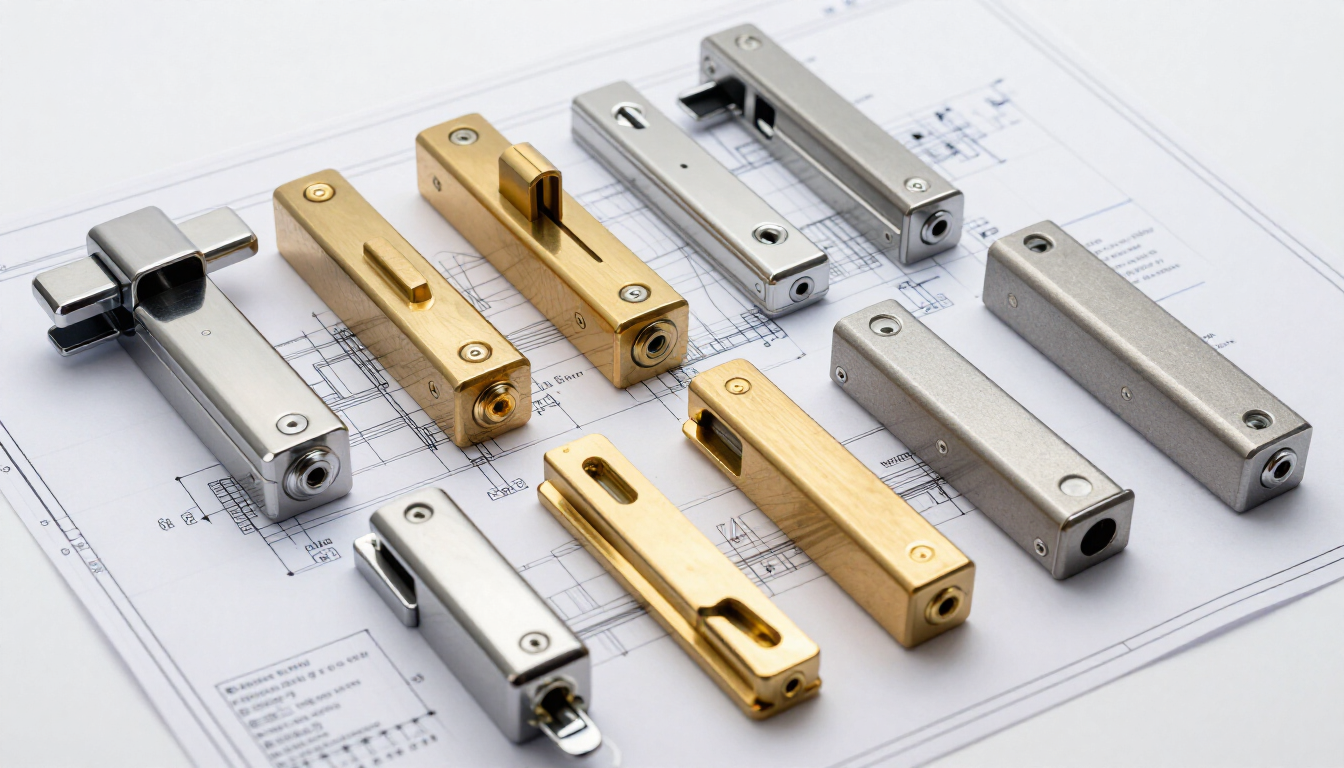
- Wear Resistance: Brass has excellent natural lubrication properties, making it ideal for moving parts inside lock cylinders where friction is a factor.
- Impact Resistance: Zinc alloys are generally more brittle than steel or brass. While strong enough for standard handles, they may crack under extreme impact where stainless steel would simply dent.
- Thermal Stability: Stainless steel maintains its integrity at much higher temperatures than zinc, which can lose structural strength if exposed to prolonged heat.
When should you choose stainless steel for construction projects?
Stainless steel is the workhorse of the hardware world, but it is also the most expensive and hardest to manufacture. You should specify stainless steel when your project involves:
- Marine or Coastal Environments: If the hardware will be within five miles of the ocean, Grade 316 stainless steel is mandatory to prevent "tea staining" or structural rust.
- Food Service and Healthcare: Its non-porous surface is easy to sanitize and resists the harsh chemicals found in industrial cleaning agents.
- High-Security Requirements: For heavy-duty padlocks and gate hardware, the shear strength of stainless steel is unmatched.
- Modern Aesthetic: The clean, industrial look of brushed or polished steel is a staple in contemporary architecture.
At QIAN An Limited, we often recommend stainless steel for exterior door hardware and motorcycle locks where exposure to the elements is constant. If you are unsure which grade of steel your project requires, feel free to contact our engineering team for a technical consultation.
Why is zinc alloy used for complex hardware designs?
Zinc alloy is the unsung hero of the hardware industry. While it may not have the "premium" reputation of brass or the "indestructible" reputation of steel, it is the most versatile material for manufacturing. Because it can be die-cast at high speeds, it is perfect for:
- Ornate Door Handles: If a design requires intricate scrolls, textures, or branding, zinc is the material of choice.
- Cost-Sensitive Large-Scale Projects: For multi-unit residential developments where thousands of handles are needed, the cost savings of zinc alloy are substantial.
- Key Accessories: Many key accessories and light-duty locks are made from zinc because it takes plating (chrome, gold, or powder coating) better than almost any other metal.
However, it is vital to check the quality of the finish. A poorly plated zinc handle will start to pit and corrode within months if exposed to moisture. Always look for hardware that meets high salt-spray test standards.
Is brass the best choice for architectural hardware?
For many procurement professionals, brass remains the ultimate material for interior architectural hardware. It strikes a perfect balance between luxury and function.
Aesthetic Versatility: Brass can be finished in a dozen different ways—from bright polished gold to antique bronze or satin nickel. Unlike zinc, which must be plated, brass is "solid," meaning the color goes all the way through. If an antique brass handle gets scratched, you see more brass; if a plated zinc handle gets scratched, you see grey metal underneath.
Mechanical Excellence: Because brass is a "red metal," it doesn't spark and is relatively soft compared to steel. This makes it the ideal material for the internal