How to Choose the Right Lock for Every Application
Choosing the right lock requires matching the security level, material durability, and locking mechanism to the specific environment and risk profile of the application. Whether securing an industrial gate or a residential window, the priority is balancing accessibility for authorized users with robust resistance against forced entry and environmental wear.
What factors determine the right lock for your project?
For contractors and procurement professionals, selecting a lock isn't just about the locking mechanism; it is about the entire ecosystem of the installation. You must first evaluate the Security Grade . In North America, the ANSI/BHMA grading system (Grades 1, 2, and 3) provides a benchmark for durability and security. Grade 1 is the highest, often required for commercial buildings where heavy traffic and high security are expected.
Beyond grading, consider the Environmental Conditions . A lock installed on a coastal storage unit faces salt air and humidity, requiring stainless steel or weather-protected brass components to prevent corrosion. Conversely, an indoor office lock might prioritize aesthetics and ease of use over extreme weather resistance.
Material composition is equally critical. For high-risk areas, hardened steel or boron carbide shackles on padlocks offer the best resistance against bolt cutters. As a procurement expert, you should also look for anti-drill and anti-pick features, which involve specialized internal pins and plates designed to defeat common bypass techniques.
Essential Criteria for Selecting Industrial Padlocks
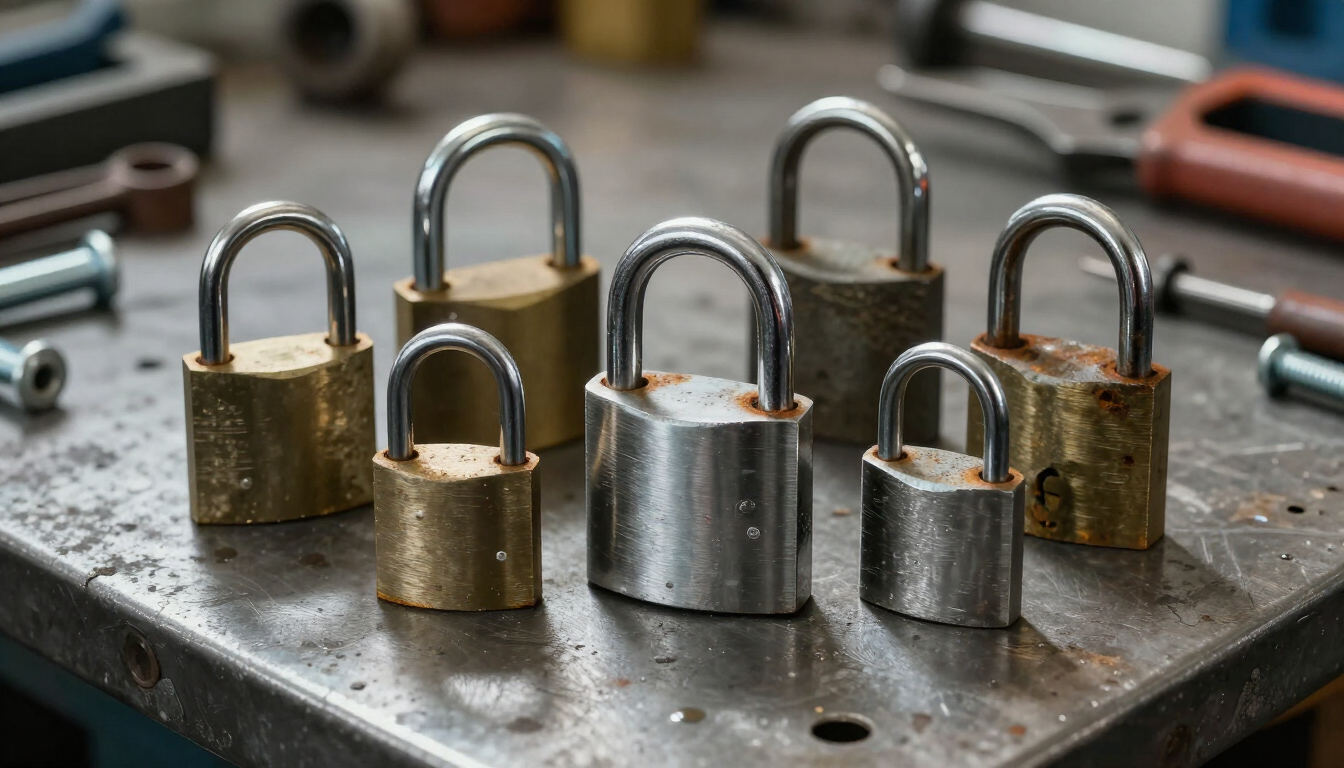
Padlocks are the workhorses of the hardware world, used everywhere from construction sites to shipping containers. When choosing padlocks for a large-scale project, focus on the following:
- Shackle Material: Hardened steel is standard, but boron alloy is preferred for maximum cut resistance.
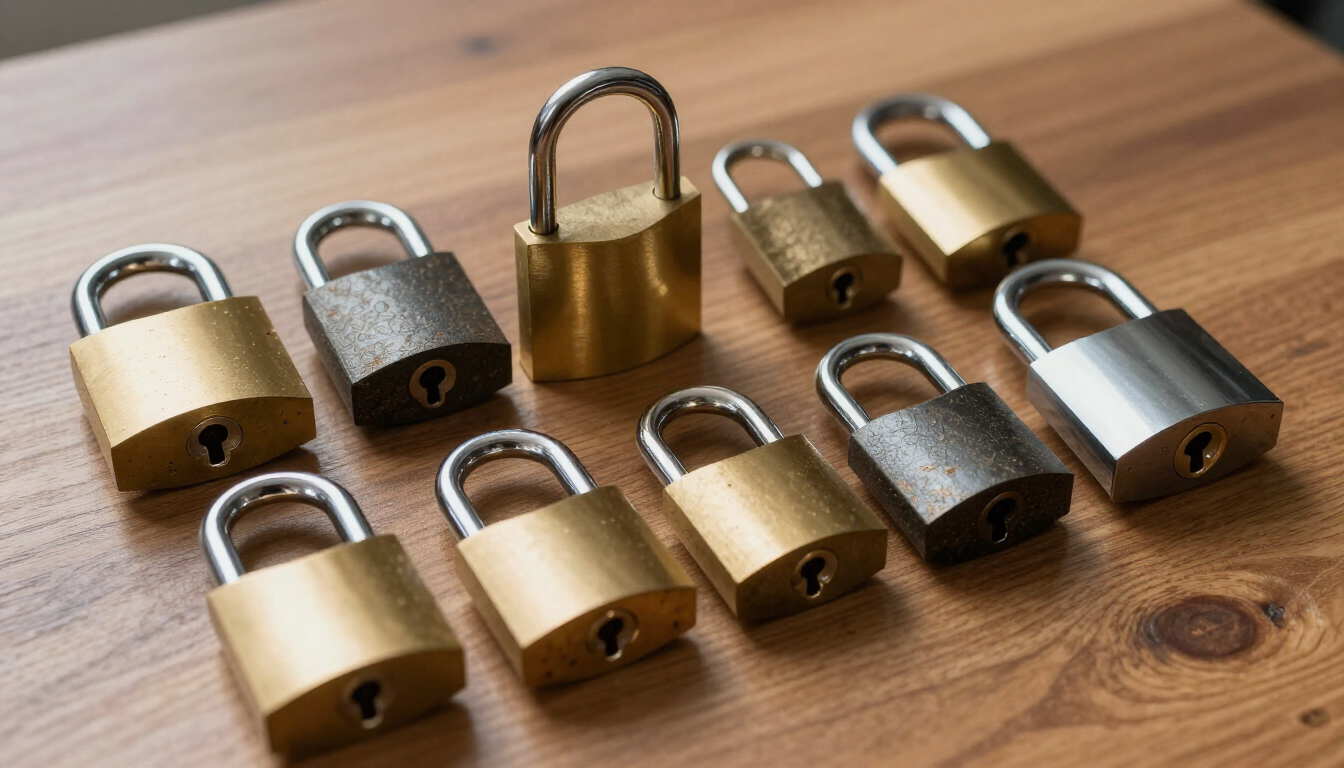
- Body Construction: Solid brass is excellent for rust resistance, while solid steel provides superior physical strength.
- Cylinder Type: Re-keyable cylinders allow for system updates without replacing the entire lock body.
- Key Retention: A safety feature ensuring the key cannot be removed while the lock is open.
- Weather Covers: Essential for protecting the keyway from dust, ice, and debris in outdoor environments.
Many contractors prefer "Keyed Alike" systems for efficiency, allowing one key to open multiple locks across a site. However, for Products used in high-security zones, "Keyed Different" or master-keyed systems provide much tighter access control.
How to secure entry points in residential and commercial builds?
Door and window security represents the bulk of procurement for most architectural projects. The choice often comes down to the door type and the expected level of threat. For external doors, a deadbolt is non-negotiable. However, not all deadbolts are equal. A professional procurement team should look for a 1-inch throw bolt that contains a hardened steel roller to prevent sawing through the bolt.
For windows, the application varies by opening style. Sliding windows require track locks or bolt locks to prevent the pane from being lifted or slid open from the outside. Casement windows, which use a crank, often require specialized sash locks that pull the window tight against the frame, improving both security and energy efficiency by reducing drafts.
Professional Grade Door Hardware Selection
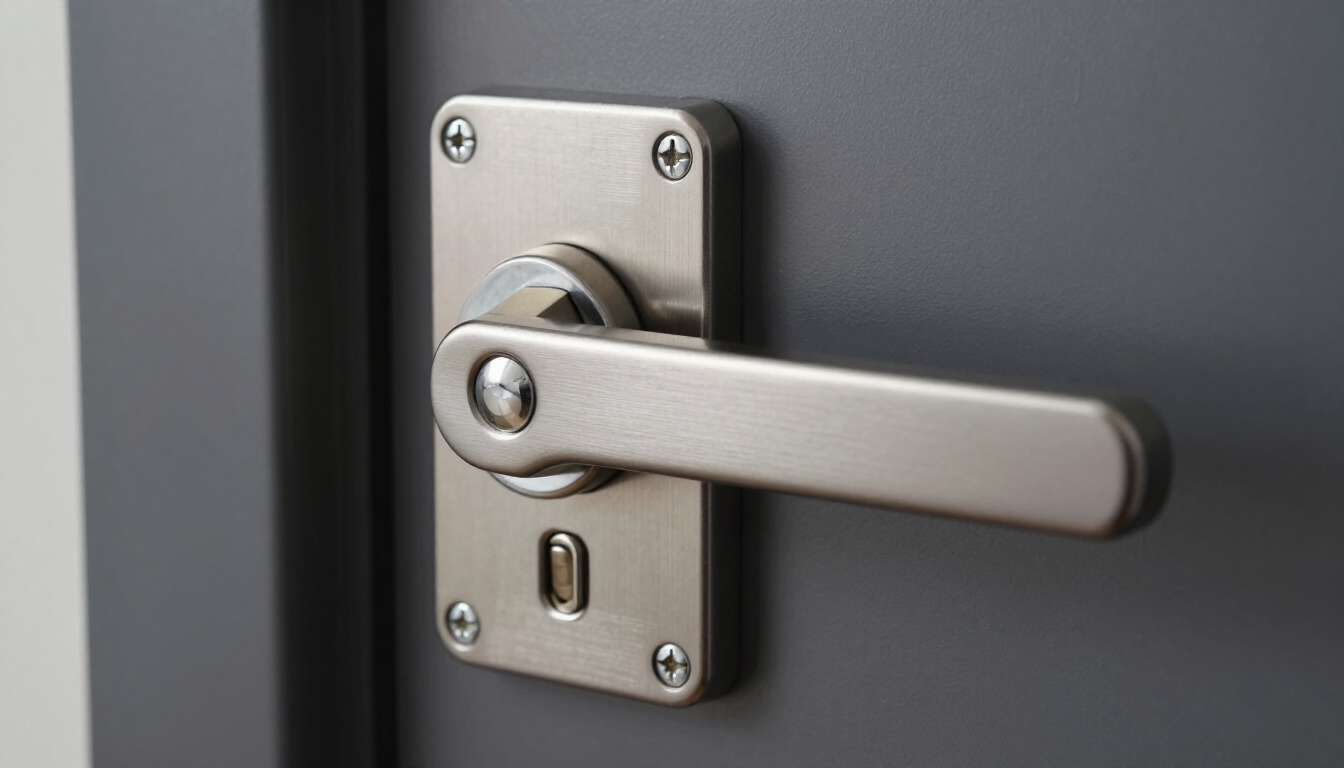
When evaluating Products for large commercial installations, engineering teams often look for fire-rated hardware. In many jurisdictions, locks on fire-exit doors must meet specific "fail-safe" or "fail-secure" criteria to ensure life safety during an emergency while maintaining security during normal operations.
- Mortise Locks: Highly durable and integrated into the door pocket, ideal for high-traffic commercial use.
- Cylindrical Locks: Easier to install and maintain, common in residential and light commercial settings.
- Electronic Smart Locks: Increasingly popular for audit trails and remote access management in office buildings.
- Multi-Point Locking: Common on uPVC and composite doors to secure the door at several points along the frame.
- Strike Plates: High-security strike plates with long screws are vital to prevent door frames from splintering during a kick-in attempt.
Are combination locks reliable for high-traffic sites?
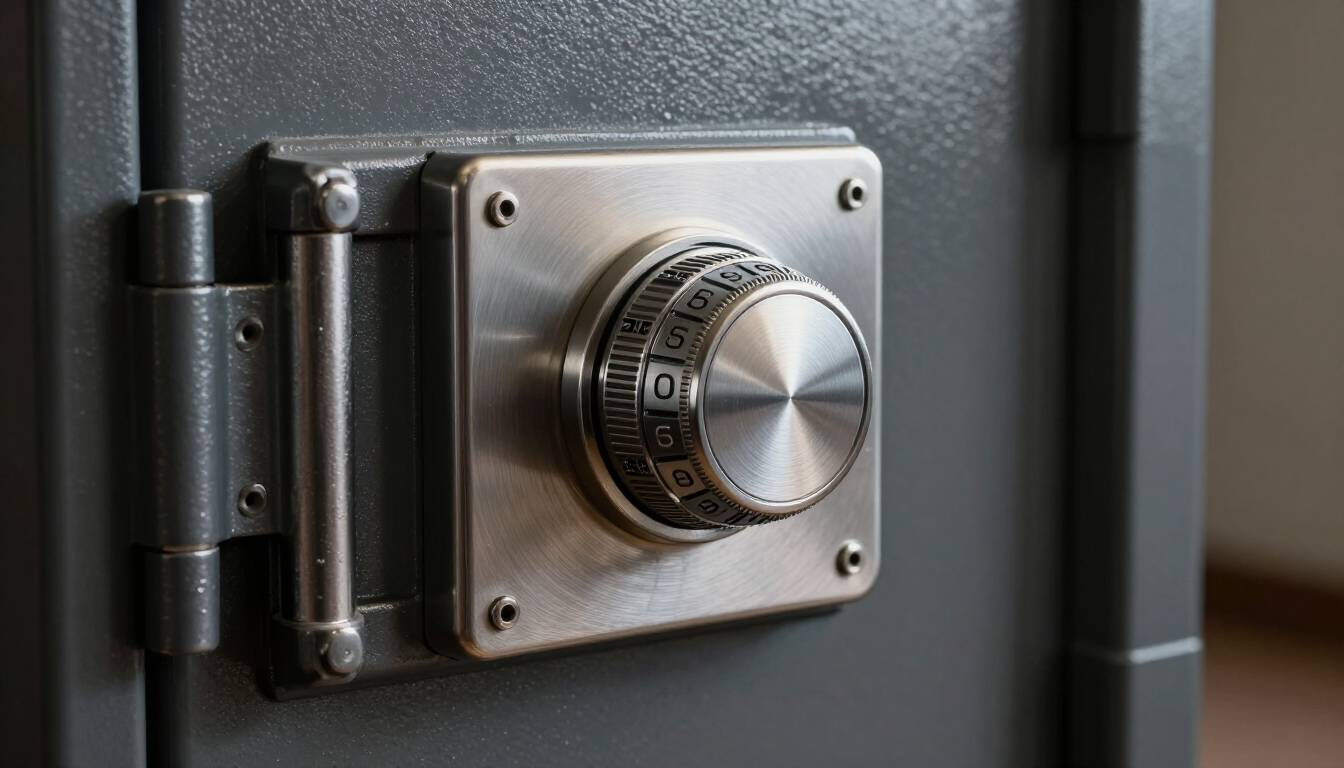
Combination locks offer a significant advantage for contractors: the elimination of physical keys. This is particularly useful in environments where many employees need access, such as site lockers, equipment sheds, or shared toolboxes. Modern combination locks, especially those produced by specialists like QIAN An Limited, are designed with "blind" dialing and weather-resistant finishes.
However, the reliability of a combination lock depends on its mechanical complexity. High-end combination locks utilize a four-dial or five-dial system, significantly increasing the number of possible permutations and making "cracking" the code nearly impossible for an opportunist. For procurement teams, the decision often hinges on whether the ease of code-sharing outweighs the security of a physical key that cannot be easily shared or duplicated.
What are the best motorcycle locks for fleet procurement?
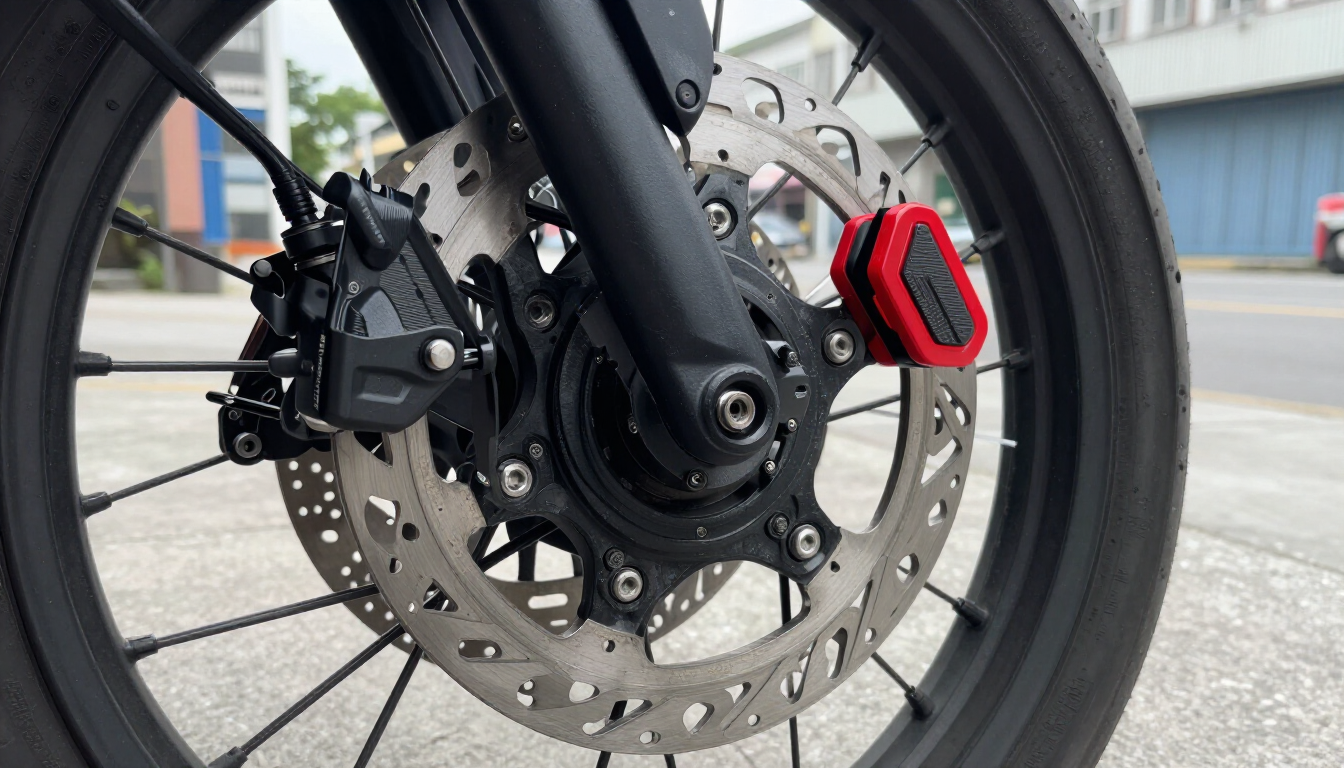
For companies managing a fleet of delivery motorcycles or bicycles, theft prevention is a primary operational concern. Motorcycle locks must be both portable and extremely robust. The two most effective types are disc locks and heavy-duty chains.
Disc locks function by clamping onto the brake disc, preventing the wheel from rotating. These are compact and easy to carry but should always be used with a reminder cable to prevent the rider from attempting to move the bike with the lock engaged. Heavy-duty chains, when paired with a high-security padlock, allow the vehicle to be secured to a fixed object like a ground anchor or a lamp post.
Strategic Hardware Procurement Checklist
When managing a large order for a project, procurement professionals must verify more than just the price. Quality control and long-term maintenance costs are the true drivers of value. Use this checklist to evaluate your hardware supplier:
- Verify Material Specs: Ensure the alloy used matches the architectural requirements (e.g., 304 vs 316 stainless steel).
- Review Warranty Terms: High-quality hardware should come with a multi-year mechanical warranty.
- Confirm Key Control: For keyed systems, ensure the manufacturer offers restricted keyways to prevent unauthorized duplication.
- Check Lead Times: For large construction projects, timing is critical to avoid site delays.
- Assess Finish Consistency: If aesthetics matter, the finish (brushed nickel, oil-rubbed bronze, etc.) must match across all hardware types.
Final Recommendations for Lock Selection
Selecting the right lock is a technical decision that impacts the safety and longevity of a project. Contractors should prioritize Grade 1 or 2 hardware for any high-traffic or external application to minimize future maintenance calls. Procurement teams should seek out manufacturers like QIAN An Limited who specialize in a wide range of hardware, from padlocks to motorcycle security, to ensure a consistent standard of quality across the board.
Key Takeaways:
- Match the ANSI grade to the expected traffic and security risk.
- Choose materials like stainless steel or brass for corrosive outdoor environments.
- Utilize combination locks to eliminate the logistics of key management in shared spaces.
- Always secure door frames with high-security strike plates and long screws.
- Consult with hardware experts for specialized applications like motorcycle or industrial equipment security.
If you have specific requirements for your next project, Contact Us or visit our Products page for a detailed look at our inventory. Our team is ready to help you find the most suitable product for your needs.
Recent Posts